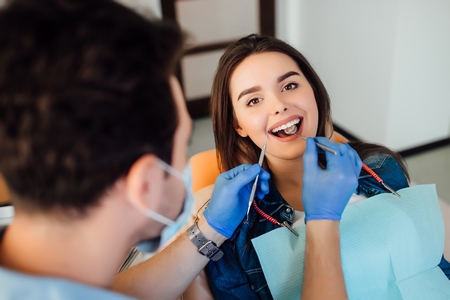
Root Canal Treatment – Uncover the Truth about the Treatment

Since 1766, root canal treatment has been prevalent in dentistry. However, initially the process was painful due to improper anesthesia techniques and lack of advanced equipment’s.

Is RCT excruciatingly painful? What is the mystery behind the RCT procedure? Before you opt for the treatment, here are a few pieces of information about the process that will surely reduce your stress and make you more confident.

Why do you need a root canal treatment?

If the pulp is severely decayed or you have an abscessed pulp, dentists say RCT is the only method that can save your tooth. With modern techniques, RCT is painless and has no side effects. However, in the fear of getting RCT if you leave the tooth untreated, you will probably lose it.

What are the signs indicating that you need a root canal treatment?

If you notice the following issues, do not delay. Book an appointment at the earliest for an RCT.

  • Sudden discolouration in teeth and gums
  • Swelling, redness and consistent pain in the gums
  • Severe and persistent pain in a tooth affected by a cavity
  • High sensitivity to sudden temperature changes
  • Small bumps on the gums leading to continuous tooth pain
  • Dental decay causes pain, swelling, and redness

When you notice one or more of the above symptoms, you must contact a dentist and more specifically an Endodontist for RCT.

What are the questions to ask about root canal treatment?

If your dentist has recommended root canal treatment, here are a few questions you can ask before starting the process.

  • Does the RCT pose any risks during or after the process?
  • Will I have pain during the process?
  • Do you provide anaesthesia before starting?
  • How long will it take to get completed?
  • Will I get insurance coverage for the same?

What is the process of root canal treatment?

Detection

This is the initial step where you visit the dentist and share your problem. The dentist will use X-rays to check the extent of decay in the roots and gums.

Begin the process

The dentist will administer anaesthesia to numb the area around the tooth. Then they will drill an opening into the top of the tooth to access the damaged pulp.

Remove pulp

The next step involves removing the pulp, cleaning the damaged area, and disinfecting it. The canals will be cleaned and filled with gutta-percha, a byproduct of rubber.

Crown and restoration

The dentist will make a mold of the tooth and send it to the dental lab for a permanent crown fabrication. Based on the material you’ve chosen, the dental lab will make the crown and it will be cemented on the RCT tooth.

Book your appointment with Avant Dental for root canal treatment and save your tooth. We use advanced anesthetic techniques and modern equipment’s to ensure that there’s no pain throughout the treatment. Contact us for more details.
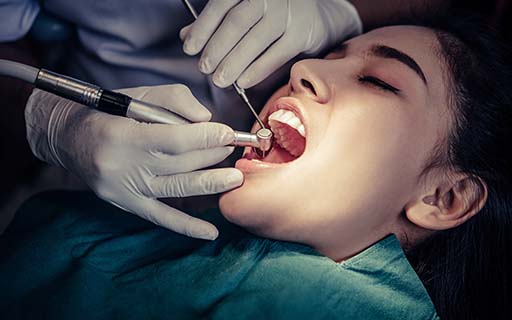
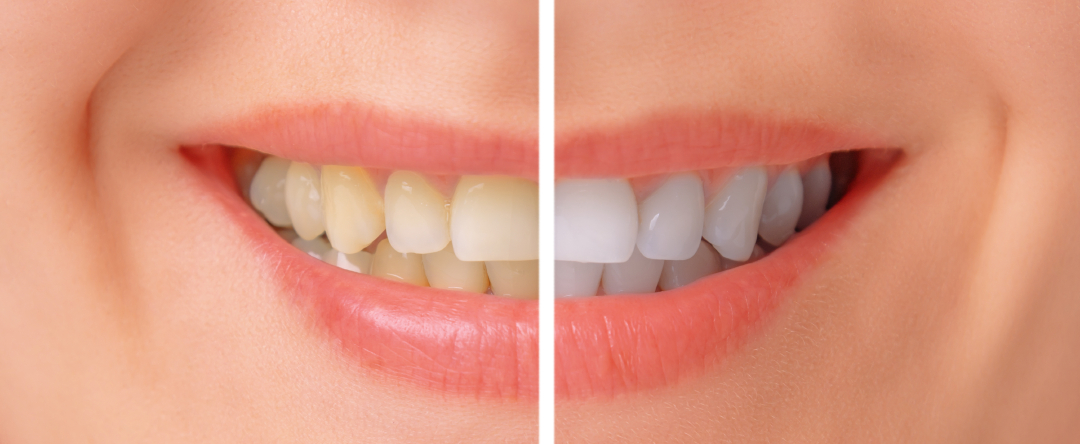
How To Maintain A Healthy Mouth After A Root Canal Treatment?

If your tooth nerve has been affected by cavities or injuries, root canals help restore the tooth and surrounding gum tissue in a safe, painless manner. Root canal is a safe and simple dental treatment and a minimally invasive procedure; however, the risk of infection and discomfort increases if you do not follow preventive measures after the treatment. By booking with the best dental clinics in New Town, you can get rid of the tooth pain.

<h2id=”heading1″>What to expect during a root canal treatment? 
The dentist will take an X-ray to assess the tooth’s condition before starting the treatment. The X-rays show the extent of the damage. Before starting the process, they will dispel your fear of getting hurt by applying a numbing gel on the gums. This acts as a local anaesthetic, blocking all types of pain impulses from your gum. 

At the beginning of the process, the dentist will drill an access hole in the tooth and expose the infected pulp. They will remove the pulp and clean the inside of the tooth. Then they will fill the tooth space with biocompatible rubber-like material and will seal the hole. This acts like a temporary filling. 

How to manage discomfort after a root canal? 

Once the effect of the anaesthesia wears off, there can be discomfort and pain. Dentists generally prescribe painkillers and antibiotics to help keep the pain under control. The antibiotics are given to prevent the infection. Dentists also advise using ice packs on the cheeks in case there’s swelling resulting from the root canal treatment. 

You will also need to avoid eating spicy, crunchy, and chewy foods for a few days to keep the infection and pain at bay. 

Brushing teeth after a root canal – what is the process?

According to the dentists, it is absolutely normal to brush the teeth after a root canal. This helps in eliminating the infection. However, you must remain careful with brushing, and it is better to avoid harsh, hard bristles during this time. The space is generally filled temporarily until the dental crown is placed there. Thus, following the recovery instructions is essential until you receive the crown. 

Is it feasible to gargle after a root canal?

According to the dentists, it is feasible to gargle after the root canal. However, you should not use any over-the-counter mouthwash without consulting the dentist. It is always recommended to rinse the mouth with simple salt water as it contains antiseptic properties. You can gargle at least three to four times a day. 

If there’s swelling after the treatment that does not subside, contact the dentist immediately. However, wait for 72 hours before contacting the doctor. If you’re looking for the best dental clinics in New Town, book your appointment with Avant Dental. 

Book root canal treatment with us. We boast having state-of-the-art dental equipment, including a full-mouth X-ray machine (OPG), an intraoral scanner, and a dental laser.  Our staff is well-trained to operate these, ensuring a precise diagnosis of the problem. For cosmetic dentistry, we offer a range of dental treatments, including dental veneers, Tooth Whitening, Smile Design, Gum Depigmentation, braces, and Invisalign. These will protect your teeth from further damage and enhance your smile.</h2id=”heading1″>

Is Root Canal Treatment Painful? – Myths You Need To Debunk

Root canal treatment (RCT) has been shrouded in misconceptions because of its reputation for causing pain. This was when there were no advancements in dental technology. However, with advances in dental techniques, RCT has evolved into a comfortable and safe solution for saving your teeth. Hence, now it’s time to debunk the myths and embrace the reality. Understanding root canal treatment is essential before you choose to book an appointment with a dentist for root canal treatment. 

What is root canal treatment? 

A root canal treatment is done to treat the infection and the damage that has taken place in the tooth’s pulp due to cavities. The process involves removing the infected pulp and cleaning the tooth by removing bacteria and debris. Once the infected pulp is removed, the tooth is sealed to prevent future infections. 

The primary goal of RCT is to reduce persistent pain and preserve the tooth’s natural structure. 

What are the common myths about root canal treatment? 

Myth 1: RCT is painful 

Many think RCT is excruciatingly painful. However, in reality, the process involves applying anaesthesia to the jaws to make the process relatively painless. The anaesthesia will wear off once the treatment is over, leaving the area numb for some time, making the patient comfortable. 

Myth 2: Extraction is better than RCT

Many patients believe extraction is a simpler solution than RCT. However, RCT helps to save the natural tooth structure. It also prevents complications associated with extraction like bone loss and migration from the adjoining teeth. 

Myth 3: The Tooth root is being removed 

Patients believe that during RCT, the roots of the teeth are also being extracted. However, this is a false statement. Only the ineffective pulp tissue is removed, and the roots are preserved. The roots remain intact and support the tooth and its complete functions. 

What are the advancements in root canal treatment? 

Dentistry has evolved over the years, and RCTs are now performed with advanced equipment to ensure complete patient comfort. Some of the notable advancements are as follows:

Digital imaging

Cone-beam computed tomography provides detailed images of the RCT process for the dentist, helping them make more accurate diagnoses and plan treatment more effectively. 

Laser technology

Laser technology is now used by dentists to clean and disinfect the roots during the RCT process. These technologies have been more successful compared to traditional methods. Using laser technology helps reduce discomfort and shorten recovery time. 

Rotary instruments 

Dentists use rotary instruments to allow precise and faster cleaning of canals during the RCT treatment. These instruments make the patients comfortable, causing less trauma to the surrounding tissues. 

For pain free RCT using advanced technologies, book your appointment at Avant Dental. Our goal is to help our patients achieve and maintain optimal oral care.

Amazing Teeth Whitening Tips That You Can Follow

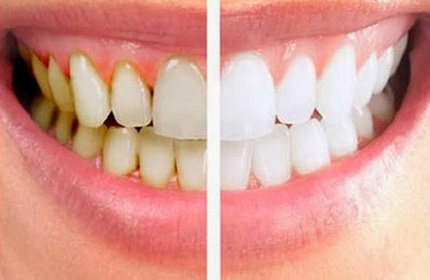
Are you unable to flaunt a sparkling white smile? Do you long for white teeth? More than 90% people globally are opting for professional teeth whitening services. Dull, yellowish and stained teeth are a constant source of nuisance irrespective of age and gender. While professional teeth whitening is expensive and time-consuming, there are DIY options available as well. 

However, with a few smart and simple tips you can prevent your teeth from getting discoloured. Here are a few teeth-whitening tips you should definitely follow to get sparkling white teeth. 

What are the common teeth whitening tips that you should follow?

Stop smoking

Smoking is not only injurious to health but also injurious to your teeth. The nicotine and tar present in cigarettes stain your teeth over time. The longer you smoke, the more stains you will develop. Although professional teeth whitening options will help you get white teeth, if you start smoking again, the stains will come back on the surface of your teeth. 

Limit beverage consumption

Limit consumption of coffee, tea, acidic fruit juices and wine so that you can avoid stains on the tooth enamel. Moreover, if you’re addicted to tea and coffee, make sure you drink them in a single sitting instead of drinking them over a prolonged period. Keeping the liquid in the mouth for a long time exposes the enamel to the beverage, causing long-lasting stains on the surface. 

Use whitening toothpaste

Some toothpastes contain whitening ingredients like baking soda and peroxide. Book an appointment with dentists. Ask them to list the pastes and start using them. Although this will not give you sparkling white teeth, it will remove the stains from coffee, tea, and wine from the surface of your teeth. 

Brush and floss everyday

Brushing every day is a daily hygiene habit. However, do you floss daily? Flossing is not a common practice. 9 out of 10 people do not floss their teeth daily. Unlike brushing, flossing helps remove food debris and encourages a brighter smile. Book an appointment with dentists, and they will guide you on the proper flossing technique. 

Use custom-fitted teeth whitening trays

Custom-fitted whitening trays are available in almost all pharmacies. These trays have a higher concentration of hydrogen peroxide. Use them and get instantly whiter teeth. With these trays, you can visit the dentist, and within two sittings, they will fix the issue. 

Change your diet

Include foods like watermelon and strawberries in your diet, as they contain malic acid, which helps whiten your teeth. Avoid eating pineapples, as they dissolve the pellicle, which can lead to tooth discolouration. Some other teeth-whitening foods include apples, cauliflower, and green tea, which help increase saliva secretion in the mouth and help remove acids generated by bacterial deposits. 

While there are many viable options, visiting a professional dentist is always the best choice. Book your appointment with Avant Dental. We can help you with professional teeth whitening services. Contact us for more information.

Faqs

Does teeth whitening work on all types of stains?

Whitening is effective on stains from coffee, tea, and wine; however, if there’s internal enamel discolouration, professional whitening might not be effective.

How long will my teeth whitening last?

Professionally treated teeth will last for around 3 years; however, you need to follow the tips to ensure that the teeth remain white.

Are DIY whitening kits effective?

Professional treatments will deliver better, faster results than DIY techniques. However, for short-term solutions, you can use DIY kits containing peroxide.

How Professional Teeth Whitening Can Help Get A Smile Makeover?

A warm, beautiful smile not only enhances a person’s personality but also makes them approachable and confident. However, discoloured teeth dampens even the most beautiful smiles. Over time, teeth can lose their colour for various reasons. This is where the magic of professional teeth whitening comes into play. Teeth whitening treatment is a cosmetic treatment that restores confidence and helps retain white, dazzling teeth. Are you planning a smile makeover? Whitening often works wonders in one or two sessions. 

What is a smile makeover?

A smile makeover is a cosmetic dental procedure which is designed to improve the appearance of the teeth through a combination of orthodontic treatments. It involves restorative treatments such as teeth whitening, veneers, crowns, and bonding, as well as gum contouring to enhance aesthetics. Orthodontists also consider factors such as lip line and skin tone to improve the patient’s smile. 

Why do bright teeth make a difference for confident smiles?

Bright teeth are not only a necessity for a beautiful smile, but it is also a psychological concern. Bright teeth make the person confident. Bright teeth give the impression of healthy, hygienic teeth. Hence, it creates a positive impression in many people’s minds. Especially in professional, business, and interview settings, dull and discoloured teeth are a source of embarrassment. Hence, dental bleaching can help you flaunt dazzling white teeth.

Different teeth whitening options for a smile makeover

In-office whitening 

This is the most consistent method, which is performed directly at the dental clinic. It helps in achieving fast results. The dentist will remove the discolouration from your teeth with chemicals and whitening gel, making them several shades brighter. 

Dentist-supervised kits

Those who prefer gradual but consistent changes can opt for dentist-supervised kits. These are customised kits recommended by the dentist based on the extent of whitening required for the teeth. These kits include trays that patients need to wear for days or even weeks to align their teeth properly. This option is often chosen by patients who prefer flexible treatment options.

Over-the-counter products

Dental bleaching can be done with over-the-counter products like whitening toothpaste, strips, and gels. These OTC products generally help remove minor stains. However, the results are inconsistent and short-lived. If you’ve insignificant stains on the enamel and the enamel looks discoloured, it can be resolved with OTC products. 

What are the benefits of professional teeth whitening treatment? 

Professional teeth whitening is a better option because of its effective results. Dentists generally use a solution that penetrates deep into the enamel and removes stains. This is not possible with OTC products. Moreover, under professional care, dentists will monitor the whitening process and the patient’s progress and discomfort. Along with professional teeth whitening, oral care is also available. With smile makeover treatments, you can restore the brightness in your teeth and gain complete confidence. 

For the best teeth whitening treatment in Kolkata, book your appointment with Avant Dental. Our goal is to help patients achieve and maintain optimal oral care. We strive to provide high-quality dental care in a relaxing and comfortable environment.

Dental Braces Treatment – A Comprehensive Guide For First-Time Visitors

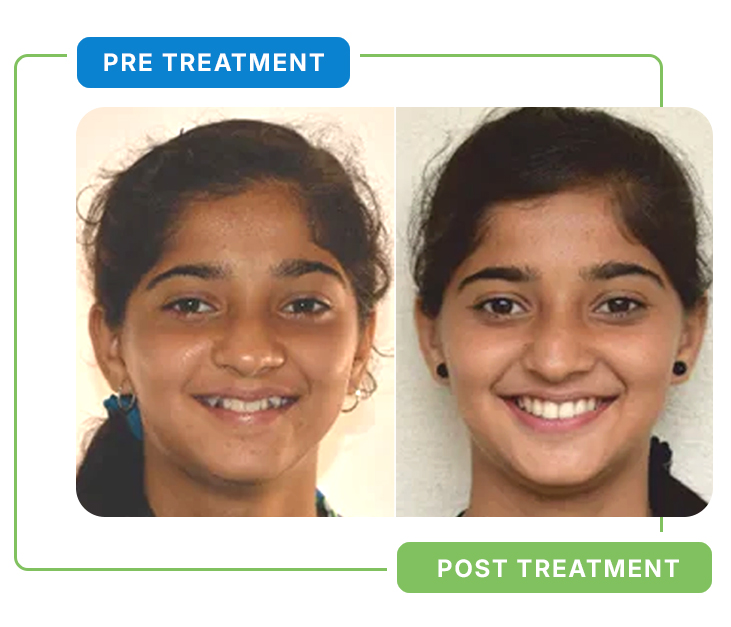
Dental braces are a popular orthodontic treatment used to correct misaligned teeth, bite issues, and jaw irregularities. Are you stuck with crooked teeth? Then, dental braces treatment is the best option for you. The dentist will work by applying continuous pressure to the misaligned teeth and will gradually shift them to align with the other set of teeth. 

What Are Dental Braces? 

Dental braces are devices used by orthodontists to straighten teeth. With the help of braces, the dentist will also correct bite issues and improve overall oral health. The braces are non-invasive and are attached to the misaligned teeth. The dentists generally advise the patient to wear the brace all the time. The braces apply gentle pressure continuously, moving the teeth to their ideal positions over time. 

When Do You Need a Brace?

Braces are recommended when individuals face issues like :

  • Crooked or misaligned teeth 
  • Problems with overbite and underbite
  • For fixing gaps between teeth
  • Problems with crowded teeth
  • Jaw misalignment 

What Are The Different Types of Dental Braces? 

The braces are available depending on the patient’s needs and preferences. There are various types of dental braces available that are used to address the aforementioned dental issues. 

Metal Braces 

These braces are made with stainless steel and are a cost-effective option. They are durable and used to correct misalignments within the mouth. 

Ceramic Braces 

These braces are similar to the tooth’s colour and are less noticeable or visible compared to the metal braces. However, they are more expensive compared to the metal versions. Since they are almost invisible hence they are preferred by many. 

Clear Braces / Aligners (Invisalign)

These are transparent braces with removable trays, which help gradually shift the teeth into their correct position. They are ideal for moderate or mild misalignments. They are comfortable and discreet, making them the most preferred choice. If you want to undergo alignment treatment, then invisalign is the best option for you. Moreover, clear aligners have the additional benefit of being completely removable and hence are very easy to clean and maintain oral hygiene 

Lingual Braces 

These braces are generally placed behind the teeth, which makes them almost invisible. They can be customised according to the patient’s needs. They are easy to clean; however, they can sometimes be challenging for the wearer. 

What Is The Process of Dental Brace Treatment? 

Initial Consultation

If you’ve a crooked or misaligned set of teeth, then schedule your appointment with an orthodontist. They will thoroughly examine the condition of the teeth, take an X-ray, and discuss the treatment plan. 

Placing The Braces 

Once the type of dental brace treatment plan has been identified and the type of braces has been decided, the dentist will attach the brackets carefully and bond them to the teeth using a dental adhesive and a wire. This step marks the beginning of applying relevant pressure to the misaligned teeth. 

Regular Adjustments 

With monthly checkups, the dentist will check the progress and make the necessary adjustments. They might tighten the wires and change the bands to keep the teeth moving. 

Completion and Retainers

Once the desired alignment has been achieved, the braces are removed and the retainers are prescribed to prevent the teeth from shifting back. 

Do you need braces to fix your misaligned teeth? Book an appointment with Avant Dental. We offer general and cosmetic dentistry. We also help with dental implants and tooth braces.

Why Oral Health Care is an Important Matter for Seniors?

Oral health for seniors is a significant concern. With age, the gums and teeth undergo significant structural changes, making proper oral healthcare more important than ever.  Poor oral hygiene can lead to issues like diabetes, heart problems and respiratory troubles. For seniors, oral health is of particular importance, as it significantly impacts their health, quality of life, ability to eat, speak, and socialise. 

Moreover, unhygienic oral conditions can lead to rapid tooth decay, tooth loss, and persistent gum problems, such as bleeding gums, in older people. 

Why oral health matters for seniors? 

The oral health of seniors is directly related to other aspects of healthcare. Poor hygiene will not only cause tooth and gum problems but will also cause heart disease and diabetes. For seniors, these are the reasons that encourage them to practice good oral care. 

  • Preventing tooth decay and gum disease
  • Reducing risks of cavities and periodontal disease
  • Managing chronic pain and stopping illnesses like diabetes and dental problems 
  • Improving digestion capacity by having healthy teeth
  • Getting rid of discomfort leads to better well-being

Common oral health issues in elderly people

Dry mouth: This illness is also known as Xerostomia. This is often caused by medications that the elderly person consumes. Consistent dry mouth can lead to tooth decay and gum disease.

Gum disease: This is also known as periodontitis, is a serious condition that can cause tooth loss. This is also linked with other health problems like persistent heart disease. 

Tooth loss: Missing teeth in elderly people can affect their eating, speaking, and self-esteem. 

Oral cancer: The risk of oral cancer in old people generally increases with age. Thus, they are required to make regular dental check-ups. This will help in understanding the sensitivity. 

Tooth sensitivity: With age, the enamel of the tooth starts to wear out, which in turn leads to receding gums. This causes the tooth to become sensitive. When you eat or drink hot or cold food items, this sensitivity can become difficult to bear. 

How can seniors maintain oral health?

Through regular dental appointments

Every elderly patient is required to make a dental appointment at least twice a year and have their entire mouth, including teeth and gums, examined. Regular visits help in detecting the problems and treating them early. 

Proper brushing and flossing

Dentists advise elderly people to brush their teeth twice a day with toothpaste that contains fluoride. For more effective results, they can use an electric toothbrush as well. This helps in thorough cleaning. 

Stay hydrated 

It is essential to stay hydrated and eat a balanced diet that includes sufficient vegetables, dairy products, and fruits to strengthen teeth and gums. 

Quit smoking and drinking

Smoking and drinking can increase gum and tooth problems. For elderly people, it is advisable to quit the same. 

Denture care

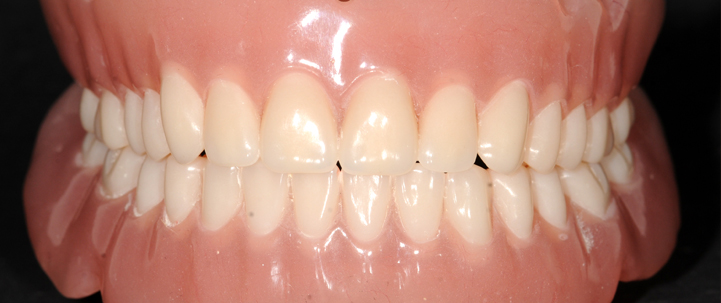
If the elderly person is wearing dentures, they should remove them at night to prevent infections and maintain gum health. 

Book your appointment with Avant Dental for general dentistry, cosmetic dentistry, and tooth braces. 

Dental Hygiene Tips For Healthy Teeth and Gums – Useful Tips That Can Help

A smile brings out the best in a person’s appearance. It enhances the appearance and creates a joyous atmosphere. In simple terms, a smiling face can instantly solve challenges. However, without strong teeth and healthy gums, smiling confidently can be a source of stress. Apart from that, healthy teeth and gums are also essential for chewing properly and speaking with clarity. Without proper hygiene, maintaining healthy gums can be a challenge. If your gums are not healthy, then there’s a high risk of infection occurring in them. 

Good and proper oral care is neither expensive nor time-consuming; rather, it is a daily practice. Adhering to simple habits will help you stay committed to good dental hygiene. Are you planning to keep your gums healthy? 

Here are a few dental hygiene tips that you can practice at home to maintain proper dental hygiene and promote healthy, strong gums. 

Important tips to keep the gums healthy and maintain dental hygiene 

Brush twice 

Brushing twice a day is a common practice and is recommended by dentists. However, make sure you do it in the right way. Brushing too hard or too fast can damage your teeth’s enamel. Additionally, ensure that you brush all corners to remove hidden bacteria as well. Some of the useful brushing tips include:

  • Using a soft-bristle toothbrush 
  • Brushing at 45 45-degree angle to keep the gum line healthy
  • Spend at least two to five minutes on each brushing time 
  • Move the brush in small circles and not back and forth while brushing

Following these brushing tips ensures proper oral hygiene. 

Do not skip the flossing

Flossing might seem like a tedious job for many. Thus, most of the time, people end up skipping this. However, make them an important part of your daily dental hygiene. Here are a few tips to follow during flossing:

  • Use waxed floss or floss picks to remove stuck food items from the gaps in your teeth.
  • Be gentle while flossing, as excessive pressure can harm your gums and cause bleeding.
  • Curve the floss around each tooth to help with a thorough cleaning process.

Avoid foods that cause dental damage 

Although this might sound difficult to follow, your food habits play a major role in determining your gum health. Avoid consuming sour or acidic foods, as they can frequently promote bacterial growth. On the other hand, consuming fibre-rich fruits and vegetables as part of the diet can naturally clean the teeth and keep the gums healthy. Some healthy food options to include in your daily routine are apples, celery, carrots, cheese, yoghurt, green tea, and almonds. 

Clean your tongue along with your teeth

Many people miss out on this activity. Like the gums and teeth, the tongue is also a part of your mouth, and to maintain hygiene, you need to clean it as well. If you do not keep your tongue clean, the bacteria that build up will result in a foul smell, often caused by plaque.  Here are a few routine tongue-cleaning tips you need to follow: 

  • Use a tongue scarper to brush the tongue
  • Follow a gentle method from the back to the front
  • Do this before you brush

Need more tips on dental hygiene? Book your appointment with Avant Dental for teeth cleaning and professional advice on dental care.

What Are The Signs That Suggest That You Need Gum Depigmentation?

Gum pigmentation is a cosmetic dental procedure that has gained popularity in recent years. If you have dark pigmentation or patches on your gums, you can easily address the issue with gum pigmentation treatment. Pigments usually cause the gums to appear discoloured and uneven. This is humiliating for many. With professional gum pigmentation, you can improve your confidence level. It is a safe and effective method with long-term positive results. 

If you’re planning gum pigmentation, book an appointment with a dental clinic. They will help you with the simple and painless gum pigmentation process. The results are long-lasting. Hence, you can try it out without hesitation. 

When should you opt for gum depigmentation? 

Do you have dark gums? Does it hamper your beautiful smile? Then gum depigmentation is the best solution. At times, excessive smoking can cause your gums to become dark. Here are a few signs that suggest you need gum depigmentation. 

Cosmetic issues

Are you unhappy with the appearance of your gums? Dark patches can be embarrassing, especially when you’re smiling in public. Gum depigmentation can enhance the aesthetics of your smile and boost your confidence. Hence, many patients opt for gum pigmentation as a part of cosmetic dental procedures. 

Medical conditions

Certain diseases, such as Addison’s disease or Peutz-Jeghers syndrome, can cause the gums to appear darkened. For patients suffering from these issues, gum depigmentation is a recommended procedure. These patients will not be able to avoid the darkening of the gums. Hence, with depigmentation, they can improve the appearance of their gums. 

Excessive smoking

Chain smokers will notice the darkening of their gums. Although regular brushing and flossing can improve the appearance, they are not sufficient to completely remove the dark patches. Depigmentation is a long-lasting and effective solution for them. They can remove stains and restore the colour of the gums. 

Effect of medications

There are various medications with different compositions that can cause dark pigmentation. If you’re taking these medications, darkening of the skin is a potential side effect. Book an appointment at a clinic and consider depigmentation as a treatment option. 

What is the process of gum depigmentation? 

Before the process starts, the dentist will schedule a consultation with the patient. They will check the condition of the gums and explain the consequences, procedure and risks. As a patient, you can make your final decision after the initial consultation. 

For first-time users, here’s an insight into the process.

Anaesthesia

The dentist will apply local anaesthesia to numb the gums and prevent any pain, discomfort and problems during the process.

Gum preparation

They will prepare the gum by cleaning it with solutions. They will remove the plaque and debris. They will ensure that the gum tissue is free so that the depigmentation process can be started. 

Depigmentation 

The depigmentation process is then initiated and carried out using either a chemical treatment or a laser treatment. The laser beam will evaporate the pigmented cells. Sometimes, the dentist also applies hydrogen peroxide to the pigmented area,

Post-procedure care

Once the depigmentation process is completed, the dentist will brief the patient about the post-procedure care. This includes avoiding oily and sour foods, as well as any beverages. This also involves brushing, flossing, and gently massaging the gums.

Are you experiencing dark pigmentation in your gums? Book your appointment with Avant Dental. We offer cosmetic dental procedures and gum depigmentation services to our clients.

How To Keep The Gums Healthy? Tips from Dentists

A sparkling set of white teeth is not enough to give you a healthy smile. Along with white teeth, you should also have healthy gums. Healthy gums provide the foundation for strong teeth, which in turn contribute to a beautiful smile. Gum problems are common and unavoidable. If you leave them untreated for a long time, it can lead to major oral health issues. Visit your nearest dental clinic if you’re facing gum-related issues. 

Why do you need healthy gums? 

Helps to prevent gum disease 

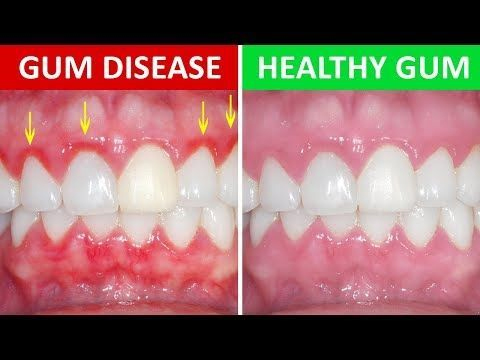
If your gums are healthy, then they will act as a protective barrier against all types of gum diseases. A healthy gum will protect you against issues like gingivitis and periodontitis. These conditions often lead to gum problems, including inflammation, bleeding, and even tooth loss. 

Improving oral health 

Maintaining healthy gums helps prevent oral infections and reduces tooth decay. If your gums are healthy, the frequency of cavities in the gum will also be reduced to a large extent. 

Helps in general well-being

By keeping your gums healthy, you can prevent infections that may lead to heart disease, respiratory infections, and adverse issues during pregnancy. 

What are the benefits of having healthy gums? 

Get fresh breath

Unhealthy gums are the major reason behind bad breath. Maintaining healthy gums ensures fresh breath and enhances your oral hygiene. 

Preserve natural teeth

When the gums are healthy, the likelihood of tooth loss is reduced. This will help you preserve all your natural teeth. Most of the tooth loss results from unhealthy gum problems. If you’re tired of getting ceramic teeth in place of the natural ones, then it’s time to take proper care of the gums. 

How to maintain healthy gums? 

Maintain proper oral hygiene 

According to dentists, it is essential to brush at least twice a day. Additionally, flossing daily should also be part of the oral hygiene routine, as it helps to remove the food particles that are stuck between the gaps. 

Rinse with mouthwash

Along with toothpaste, it is essential to use a mouthwash to keep the gums clear and healthy. Unlike toothpaste, mouthwash can effectively clean the gums and all areas of the mouth. 

Limit sugar intake

Sugary and starchy foods, when consumed regularly in large quantities, can lead to problems such as plaque and result in gum disease. Limit your gum consumption for better health.  

Quit smoking and drinking 

Smoking and drinking significantly increase the risk of gum problems. To ensure that your gums and your teeth stay healthy, you need to quit smoking completely. Occasionally, drinking might not cause harm; however, if you’re already suffering from a gambling problem, you should quit drinking as well. 

Go for professional dental checkups

Sometimes a gum problem might go unnoticed for a long time. To minimise the issue from the very beginning, book an appointment with a dentist. They will examine the condition of your gums and provide suggestions for improvement.

Are gum problems bothering you? Book your appointment with Avant Dental for gum depigmentation and cosmetic dental procedures. Contact us for more details.